

 See My Latest Article on HelloNation

Why Should Homeowners in DeWitt, NY Prioritize Roof Inspections?
Regular roof inspections help area households catch small problems before they lead to costly repairs or unexpected water damage. In DeWitt, where winter snow loads, early spring thaws, and summer storms can all stress local roofs, inspections are crucial for longevity and peace of mind.
A thorough inspection can:
- Reveal storm or ice damage missed from the ground
- Identify early signs of aging or material failure
- Spot potential leaks before they reach interior spaces
How Often Is Roof Inspection Needed in Local Homes?
For most homes in DeWitt, the roof should be visually checked at least twice per year—ideally in late spring and again in early fall. These timing choices account for the area’s freeze-thaw cycles and regular seasonal storms.
A quick inspection is also wise after major wind, hail, or ice events. These situations can cause damage that isn’t immediately obvious but may worsen with time if ignored.
What Signs Suggest a Roof Needs Attention?
Recognizing early warning signs allows homeowners to make timely decisions. Whether doing a curbside look or checking from a window, be alert to these common signs:
- Missing, curled, or cracked shingles after storms
- Excessive granules in gutter run-off
- Deterioration around chimneys, skylights, or vent pipes
- Interior water stains on ceilings, especially after heavy rain
- Persistent ice dams or icicles forming at the edges in winter
Often, the first evidence of roof trouble appears on the inside of the house before anything looks wrong above. Stains, peeling paint, or musty odors in the attic can be early indicators.
Can Homeowners Perform Their Own Roof Inspections?
Basic inspections can be done without climbing onto the roof. A good pair of binoculars is useful for observing shingle condition, flashing, and gutters safely from the ground. Walking the attic and checking for daylight coming through, damp insulation, or rafters is another practical way to spot issues.
However, getting on the roof poses a fall risk. If inspection requires leaving the ground, trained professionals—especially those knowledgeable about local roof types and conditions—are better suited for hazardous or complex scenarios.
What Does a Typical Roof Inspection Include?
A standard inspection for homes in this region covers several key areas:
- Shingles: Look for cracks, curling, or missing sections.
- Flashing: Check the metal strips at valleys, around chimneys, and near dormers for rust or gaps.
- Gutters and Downspouts: See if they are clogged, sagging, or pulling away.
- Attic: Verify there are no wet spots, broken rafters, or open seams in the roof deck.
Inspectors may also assess:
- Moss or algae growth, which is common in shaded areas after wet seasons
- Adequate attic ventilation, especially in older homes
Are There Local Considerations Unique to the Area?
Roof systems in DeWitt must handle ice damming, heavy snow, variable rainfall, and wide temperature shifts. For this reason, local inspections often look closely at:
- Ice shield membranes along the eaves
- Insulation levels and proper roof ventilation
- Signs of pest intrusion, such as squirrels or birds nesting in soffits or under eaves
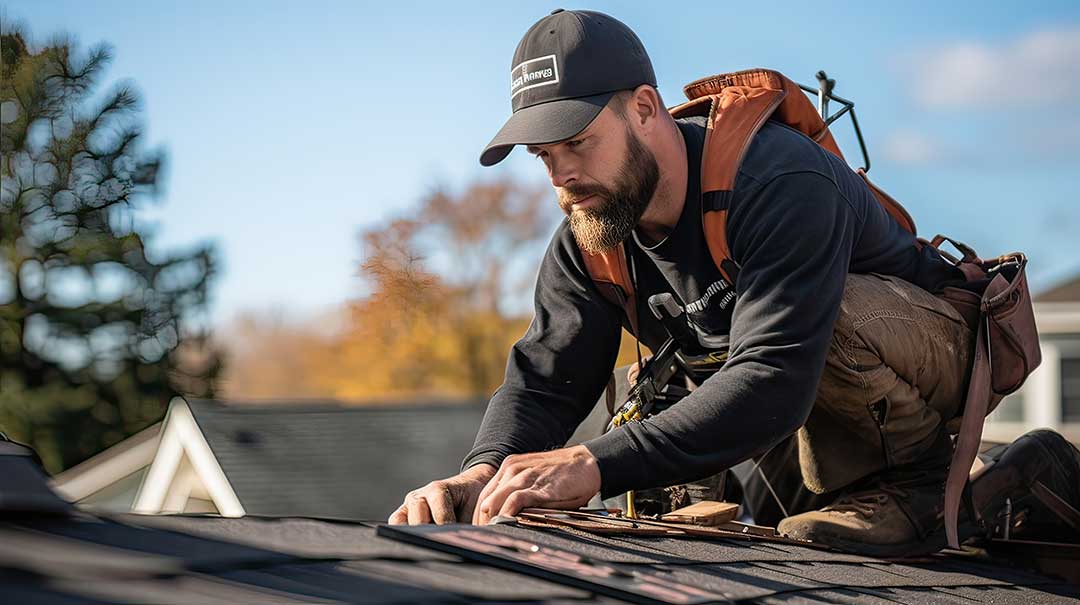
Freeze-thaw cycles might work loose flashing or expose vulnerabilities in older roofs. Keeping these risks in mind makes regular inspection especially worthwhile in the city.
What Are Common Misconceptions About Roof Inspections?
Many local residents believe that only old or visibly damaged roofs require checking. In reality, newer roofs can also suffer from wind-driven rain, hail, or incorrect ventilation. Another misconception is that small leaks or minor missing shingles are harmless—water often travels far from the actual entry point before causing visible damage inside.
There is also a tendency to overlook the attic, which often provides the first evidence of a developing roof issue.
What Should Be Documented During an Inspection?
Keeping a seasonal record can be a major advantage for area homeowners. It helps track changes and is valuable if insurance claims ever arise.
A good record includes:
- Date and seasonal condition at time of inspection
- Noted concerns with photographs (e.g., close-ups of missing shingles or flashing gaps)
- Status of attic and interior ceilings
Simple checklists can help maintain consistency between inspections.
What Next Steps Make Sense After Finding Roof Issues?
After documenting any concerns, consider the severity:
- Minor debris or clogged gutters can usually be addressed promptly and safely
- Small cosmetic damages, like thin moss patches, may not require immediate action, but should be monitored
- Larger issues—such as pervasive leaks, interior water stains, or storm-related missing roof sections—should be evaluated for urgency, and expert repairs may be needed for safety and warranty reasons
If needed, reviewing local building codes or municipal safety advice can clarify next steps, especially when repairs involve structural changes.
Is There Any Regulatory Guidance for Roof Inspections in the Area?
Homeowners should be aware that if repairs or roof replacement are needed after an inspection, permits might be required by the city—especially for structural changes or certain materials. Residential building codes in the region specify standards for roof pitch, materials, and installation practices to help protect homes from the unique weather patterns of the area. Local zoning offices or municipal websites share specific rules.