

 See My Latest Article on HelloNation
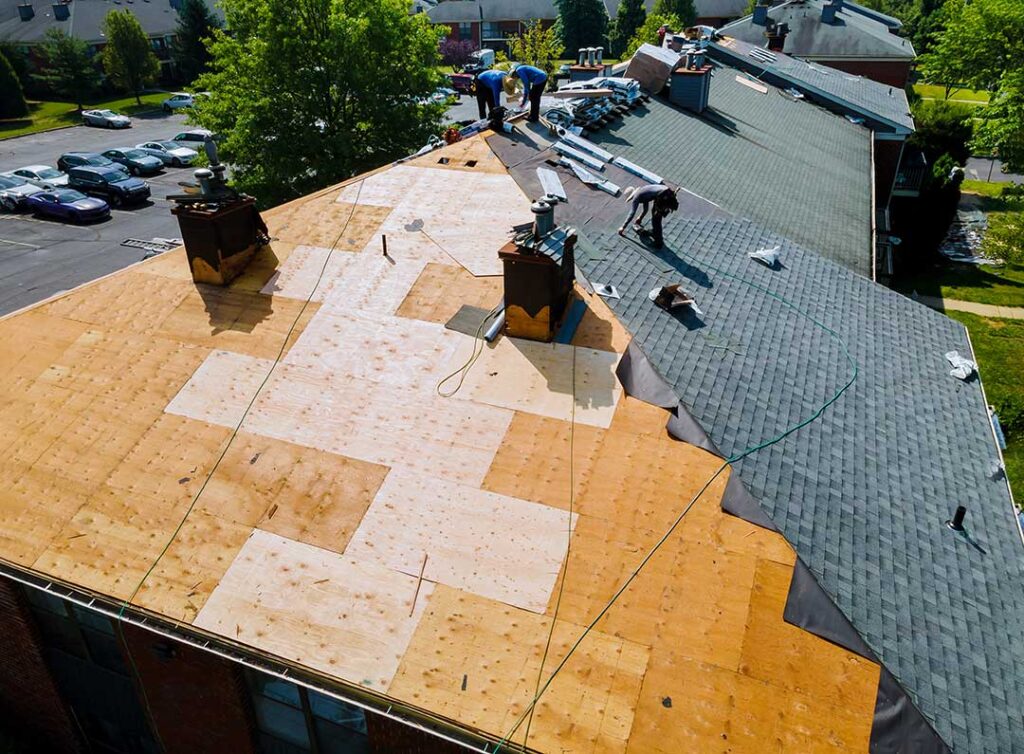
A roof lasts longer when small problems are found early, water is directed away from the structure, and seasonal stress is managed before it becomes damage. For homeowners in DeWitt, NY, regular observation matters because roofs must handle snow, ice, freeze-thaw cycles, wind, rain, and summer heat over many years.
What shortens a roof’s service life?
The most common causes of premature roof aging are moisture, poor ventilation, neglected drainage, physical damage, and deferred repairs. These problems often develop gradually rather than appearing as a dramatic leak.
Asphalt shingles can lose protective granules, curl at the edges, crack, or become brittle. Flashing around chimneys, skylights, plumbing vents, and roof valleys may loosen or deteriorate. Even a small opening can allow water beneath the roofing materials, where damage may spread through sheathing, insulation, and framing.
A roof’s age also matters, but age alone does not determine its condition. A roof that has been kept dry and well ventilated may perform better than a newer roof affected by poor drainage or repeated storm damage.
How often should a roof be inspected?
A practical schedule is to look over the roof and drainage system in spring and fall, with additional checks after severe weather. A ground-level inspection can identify many warning signs without requiring anyone to climb onto the roof.
Look for:
- Missing, cracked, lifted, or curling shingles
- Dark patches, exposed fasteners, or areas where granules have collected
- Sagging lines along the roof surface or roof edge
- Damaged metal around chimneys, vents, skylights, and valleys
- Moss or heavy organic growth that stays damp
- Gutters pulling away from the roofline
- Water stains on ceilings, walls, or upper-floor trim
- Daylight visible in an unfinished attic
Roof surfaces can be steep, slippery, and weakened by hidden damage. Walking on shingles may cause additional wear, especially in cold weather or when the material is brittle. If a roof inspection requires climbing, fall protection and appropriate training are necessary.
Why are gutters and downspouts so important?
A roof can shed water properly only if the drainage system is clear and correctly directed. Clogged gutters allow water to back up beneath the roof edge or spill against siding, fascia, windows, and foundation walls.
In a climate with autumn leaves, winter snow, and spring rainfall, gutters may need attention more than once a year. Check them after leaves have fallen and again after winter conditions have passed. Downspouts should discharge water far enough away from the foundation to prevent repeated saturation near the basement or crawl space.
Also inspect the roof edge for ice-related damage. Ice dams can form when heat escapes into the attic and melts snow on the warmer upper portion of the roof. The water may refreeze at the colder eaves, creating a barrier that sends meltwater beneath shingles. Clearing snow from a roof may reduce some risk, but using sharp tools or standing on an icy roof can cause injury and damage.
Can attic ventilation and insulation extend roof life?
Yes. Proper attic insulation and ventilation help control heat and moisture, two conditions that can shorten the life of roofing materials and wood framing.
During winter, warm air leaking into the attic can melt snow unevenly and contribute to ice dams. Moist indoor air can also condense on cold roof surfaces, causing damp insulation, mold growth, rusted fasteners, or wood deterioration.
During summer, a poorly ventilated attic can become extremely hot. Excessive heat may accelerate aging of asphalt-based roofing materials and increase cooling demand inside the home.
A healthy attic system generally includes:
- Continuous insulation that is appropriate for the building
- Air sealing around penetrations such as plumbing stacks, wiring, and light fixtures
- Intake ventilation near the lower roof edge
- Exhaust ventilation near the upper roof area
- Adequate airflow that is not blocked by insulation
Ventilation should not be added randomly. Exhaust openings without sufficient intake air may not improve airflow and can allow conditioned air to escape. Changes to insulation or ventilation should also account for moisture control and the existing roof design.
How should moss, algae, and debris be handled?
Leaves, twigs, and other debris should not be allowed to remain on the roof for long periods, especially in valleys or shaded areas where moisture lingers. Organic material can hold water against shingles and obstruct drainage.
Moss is more than a cosmetic issue when it grows thick enough to lift shingles or trap moisture. It should not be scraped aggressively, power-washed, or treated with methods that damage the roofing surface. Pressure washing can remove protective granules and force water beneath shingles.
Overhanging branches should be trimmed when they repeatedly rub against the roof or drop large amounts of debris. Pruning can also reduce the chance of storm damage, although large or elevated branches may present their own safety hazards.
Which repairs should not be delayed?
Some conditions deserve prompt attention because waiting can turn a limited repair into interior or structural damage. These include active leaks, exposed underlayment, missing sections of shingles, loose flashing, sagging roof areas, and damage around chimneys or roof penetrations.
A ceiling stain does not always appear directly below the source of a leak. Water can travel along rafters, roof decking, insulation, or framing before entering the living space. For that reason, painting over a stain without locating the moisture source rarely solves the problem.
After heavy wind, hail, or fallen branches, inspect both the roof and attic if it is safe to do so. Look for displaced shingles, dents, exposed surfaces, wet insulation, and new daylight. Photographs and written notes can help document changes over time.
Do roof coatings or sealants solve aging problems?
Usually not. Sealants have limited uses around specific flashing details and penetrations, but they are not a substitute for properly installed roofing materials. Applying a coating over cracked shingles, wet decking, or poor ventilation may hide symptoms while leaving the underlying problem unresolved.
Roof replacement also should not be based only on the appearance of a few worn shingles. The condition of the decking, flashing, ventilation, attic moisture, and roof edges should be considered together. Conversely, widespread curling, repeated leaks, soft decking, or extensive granule loss may indicate that patching will provide only temporary service.
What seasonal habits help protect a roof?
Before winter, clear gutters, inspect flashing, trim hazardous branches, and check the attic for dampness or blocked ventilation. During winter, avoid creating foot traffic on snow-covered shingles and watch for recurring ice buildup along the eaves.
In spring, look for wind damage, loose gutters, clogged drainage paths, and moisture stains that may have developed during the freeze-thaw season. In summer, inspect areas exposed to strong sunlight and confirm that attic temperatures and humidity are not unusually high.
Roof life is extended less by a single treatment than by consistent maintenance. Keeping water moving away from the building, maintaining a dry and balanced attic, and addressing small defects before they spread are the most reliable ways to preserve the roof and the structure beneath it.