

 See My Latest Article on HelloNation
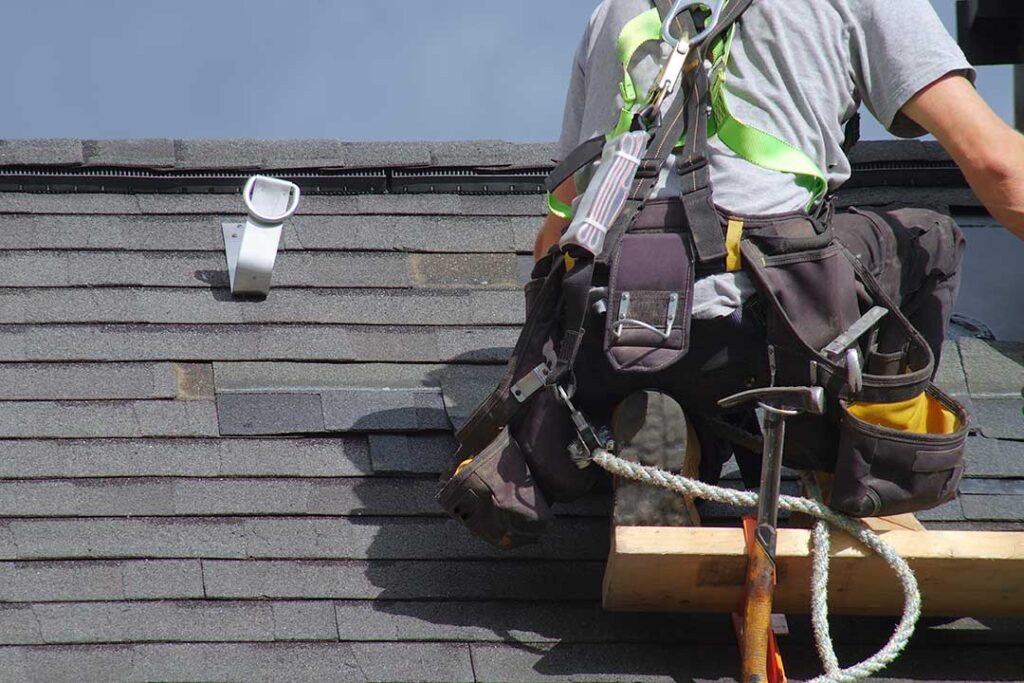
What Roofing Materials Are Commonly Used by Area Homeowners?
Most residents in DeWitt, NY encounter asphalt shingles, metal panels, wood shakes, slate, and tile among the typical roofing materials for homes. Each choice brings a mix of benefits and limitations, especially given the region's humid summers, snowy winters, and seasonal temperature swings. Understanding the practical impact of these materials on home comfort, maintenance, and longevity is key for anyone considering a replacement or new roof.
How Do Asphalt Shingles Perform in Local Climates?
Asphalt shingles are widely chosen for homes throughout the community thanks to their straightforward installation, affordability, and adaptability to many architectural styles. Their popularity is boosted by availability and a variety of colors and profiles that blend with older and newer houses alike.
- Strengths:
- Generally cost-effective and quick to install.
- Designed to shed water and adapt to sloped roofs common in the area.
- Repairs or patching of small sections are usually manageable for most homeowners.
- Limitations:
- The lifespan typically ranges from 15 to 30 years, but harsh winters and summer heat can shorten this due to cracking, curling, or granule loss.
- In heavy snowfall or persistent ice dam conditions, shingles are vulnerable to leakage along the eaves or valleys.
- Appearance may fade over time, especially on roofs exposed to long hours of sun.
For many households, asphalt shingles are a practical option, but frequent freeze-thaw cycles and ice can increase the maintenance needs.
What Are the Benefits and Downsides of Metal Roofs?
Metal roofing—often steel, aluminum, or sometimes copper—is gaining attention due to evolving designs and perceived longevity. In regions with substantial snow or frequent rain, these roofs have specific advantages.
- Advantages:
- Reflect heat effectively, helping with cooling during humid local summers.
- Shed snow rapidly, which can reduce the risk of ice dams and weight-related damage in winter.
- Last 40 years or more with only basic care.
- Challenges:
- Higher upfront cost compared to asphalt shingles.
- Hail or wind-blown debris can dent thinner gauge panels.
- Expansion and contraction due to temperature swings may loosen fasteners or cause occasional "popping" noises.
- In historic or traditional neighborhoods, some residents find the look out of place unless intentionally matched.
Overall, metal roofs appeal to homeowners seeking lower long-term maintenance, but budget and appearance preferences play a large role in local adoption.
Are Wood Shakes and Shingles Well-Suited for This Area?
Wood shakes and shingles—often cedar—have an attractive, rustic appearance that complements historic and craftsman homes found in various neighborhoods. However, the region’s wetness and humidity factor heavily into their suitability.
- Pros:
- Natural insulation and ventilation help maintain indoor comfort.
- If properly installed and maintained, wood can last 20-30 years.
- Appeals to those restoring older homes or aiming for a traditional aesthetic.
- Cons:
- High sensitivity to moisture means risk of moss, mold, and rot is substantial.
- Requires regular cleaning and treatments to avoid early deterioration.
- Fire codes or insurance restrictions may apply in some neighborhoods.
- Maintenance costs can add up, and repairs require more expertise than with asphalt.
Wood roofing can work in the area, but only for homeowners ready for routine upkeep and who appreciate the material’s natural character.
What About Slate and Tile for Homes in the Community?
Slate and clay or concrete tile roofs are well-known for longevity and classic looks. These materials are less common due to cost and structural needs, but some homes do feature them, particularly larger or architecturally significant properties.
- Slate:
- Can exceed 50–100 years with correct installation.
- Highly resistant to fire, rot, and insects; remains stable through wide temperature variations.
- Heavy weight typically requires reinforced roof framing.
- Material and installation costs are among the highest.
- Repairs require matching color and thickness, which can be tricky.
- Tile:
- Clay and concrete tiles are extremely durable and non-combustible.
- Well-suited to shedding rain but can be brittle under hail or falling branches.
- Their weight also demands substantial roof reinforcement.
- Moisture under poorly installed tiles can be a concern, especially after ice storms.
For most households, the cost and complexity make slate and tile best suited to specific architectural needs or long-term investments in a home with appropriate support structures.
Are Newer or Alternative Roofing Materials Used Locally?
Composite shingles and rubber or polymer-based tiles are newer options with growing interest in some local construction projects. They aim to mimic the appeal of natural products like slate, wood, or tile, but with lower maintenance demands.
- Benefits:
- Designed to be lighter than slate/tile and installed over standard framing.
- Often made to resist algae, UV fading, and impact damage.
- Can offer warranties comparable to premium traditional materials.
- Considerations:
- Initial costs are generally higher than asphalt but less than real slate or tile.
- Long-term performance varies by manufacturer and may not be as proven in real-world, local conditions.
- Limited color and style options compared to established products.
While promising for the future, area residents should investigate any alternative thoroughly for evidence of performance in similar climates and building types.
What Other Factors Should Residents Balance When Choosing?
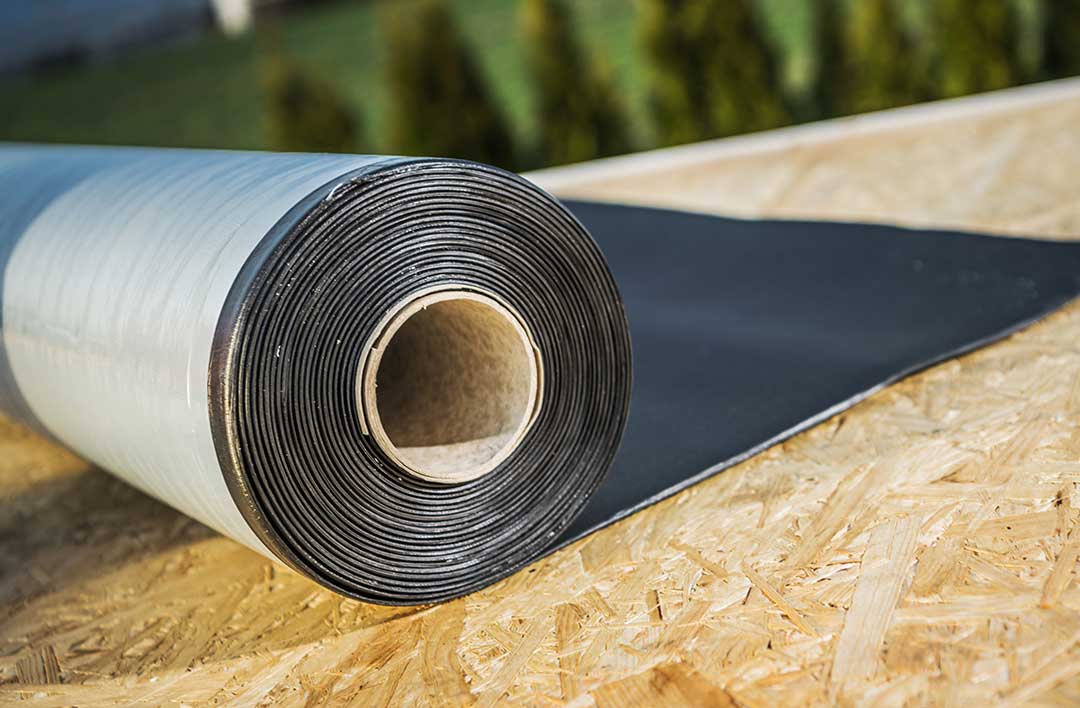
No roofing material is perfect for every household in DeWitt. Longevity, appearance, maintenance, and budget all must be balanced against local weather, home architecture, and personal priorities. For example, snow guards, underlayment choices, and ventilation practices can impact how even the best roof material performs during freezing rain or prolonged warm spells. Residents planning to invest in solar panels, frequent roof access (for chimneys or satellite dishes), or upgrading insulation should factor in how their roofing choice will interact with these needs. Durable materials can reduce hassle, but every option brings trade-offs worth considering for long-term comfort and value.