

 See My Latest Article on HelloNation
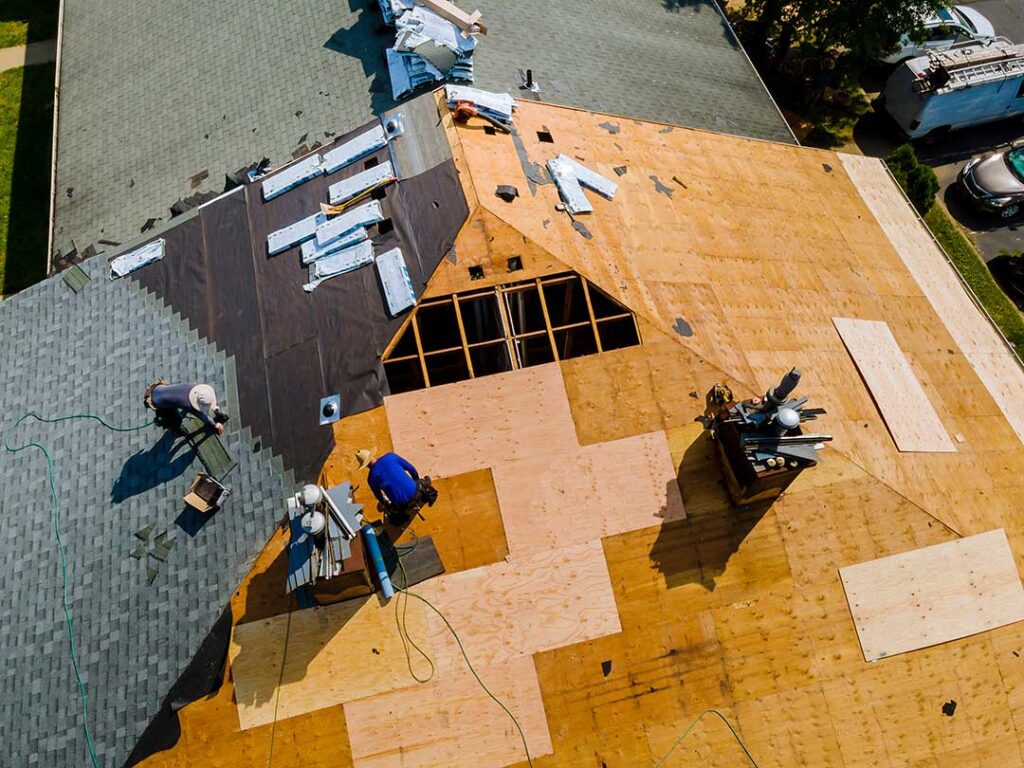
How can a homeowner tell that roof replacement is becoming necessary?
A roof usually needs replacement when age, widespread deterioration, repeated leaks, or underlying structural damage make repairs less dependable or less economical. A single damaged shingle does not automatically mean the entire roof has failed, but several warning signs together deserve careful attention.
For residents of DeWitt, NY, roof condition can be affected by snowy winters, freeze-thaw cycles, wind, rain, summer heat, and moisture held against roofing materials by leaves or moss. These conditions can gradually shorten the useful life of a roof, especially when small problems are overlooked.
How old is the roof?
Age is one of the most useful starting points, although it is not the only factor.
Many asphalt shingle roofs remain serviceable for roughly 15 to 30 years, depending on the shingle type, installation quality, attic ventilation, roof slope, weather exposure, and maintenance history. A roof with an unknown installation date should be evaluated more closely if the home is several decades old.
A roof does not necessarily require immediate replacement on its exact anniversary. However, once it is approaching the expected service range, routine inspections become more valuable. Older roofing materials may still look acceptable from the ground while becoming brittle, losing protective granules, or allowing water to reach the roof deck.
Useful records to check include:
- Previous home inspection reports
- Closing documents or renovation records
- Receipts for earlier roofing work
- Insurance or maintenance files
- Photographs taken before or after past repairs
If the roof’s age cannot be confirmed, its visible condition and history of leaks become more important than an estimated number.
What exterior signs suggest a roof is deteriorating?
Visible changes across several areas of the roof are more concerning than one isolated defect. From a safe location on the ground, look for:
- Shingles that are curling, buckling, cracked, or badly worn
- Missing shingles or exposed underlayment
- Areas with noticeably fewer granules
- Dark patches that remain after surrounding surfaces dry
- Sagging along the roof plane or near the ridge
- Damaged flashing around chimneys, vents, skylights, or roof edges
- Loose or exposed roofing materials after a storm
- Moss or algae covering broad areas rather than a small isolated patch
Granules commonly collect in gutters as shingles age. A small amount may occur naturally, but a large or increasing accumulation can indicate that the shingle surface is losing its protective layer.
Curling or buckling may result from age, heat, poor ventilation, installation problems, or moisture beneath the shingles. Replacement may be appropriate when these conditions are widespread. If only a few shingles are affected, a targeted repair may still be reasonable.
Do roof leaks always mean the roof must be replaced?
No. A leak does not automatically mean the entire roof has failed. Water may enter through damaged flashing, a failed pipe boot, a blocked drainage path, or a small area of storm damage. In those cases, repairing the source promptly may prevent more extensive damage.
Replacement becomes more likely when leaks are recurring, appear in multiple locations, or are accompanied by deteriorated decking, widespread shingle failure, or wet insulation. A roof can also leak intermittently, making the problem difficult to locate. Water may travel along rafters or roof decking before appearing as a ceiling stain far from the actual entry point.
Interior warning signs include:
- Brown or yellow ceiling stains
- Peeling paint or bubbling drywall
- Damp insulation in the attic
- Musty odors near upper-floor ceilings
- Mold or mildew growth
- Daylight visible through the roof deck
- Soft or weakened wood around roof penetrations
A ceiling stain may remain after a leak has stopped, so the absence of active dripping does not prove that the problem is resolved.
What does the attic reveal about roof condition?
The attic can show problems that are not visible from outside. Look for water staining, darkened wood, rusted fasteners, damp insulation, mold-like growth, or daylight entering through gaps.
Moisture in an attic does not always come from a roof leak. Warm indoor air can move into a cold attic and condense on roof framing or fasteners, particularly during winter. Inadequate air sealing, blocked ventilation, bathroom exhaust terminating in the attic, and insulation problems can all contribute to moisture.
This distinction matters because replacing shingles may not solve condensation caused by indoor air movement. Conversely, assuming every attic moisture problem is only a ventilation issue could delay repairs to a leaking roof.
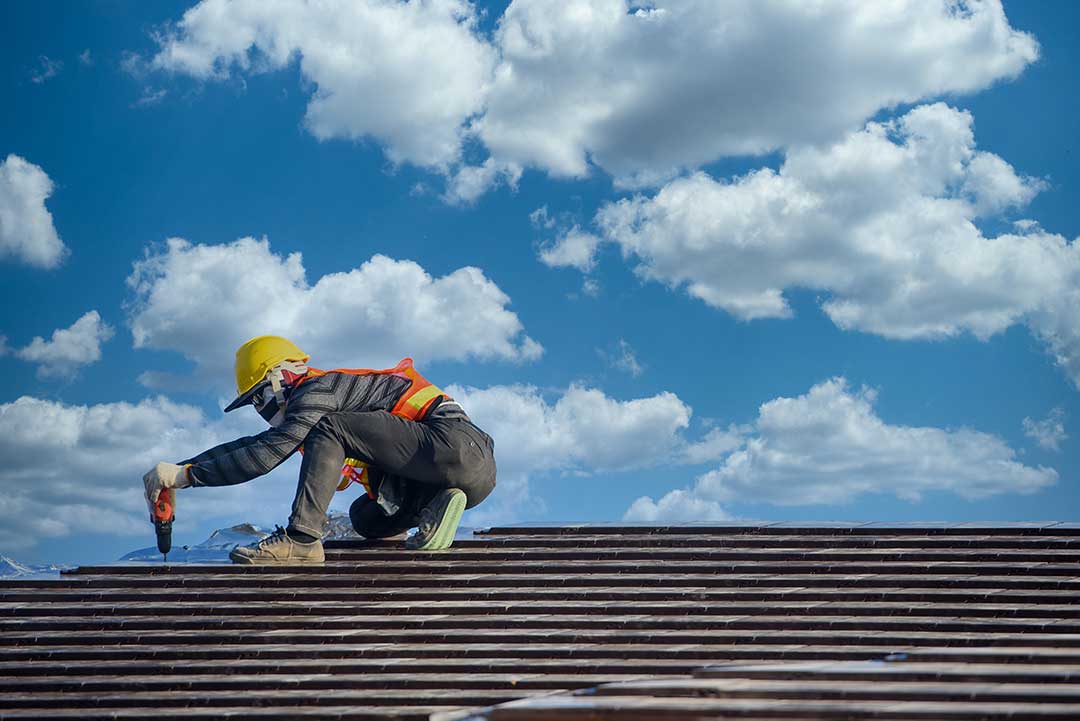
Attic inspections should be performed carefully. Walking on roof framing rather than unsupported ceiling material reduces the risk of falling through, and steep or damaged roofs are not appropriate for casual inspection.
How do winter conditions affect roofs in DeWitt?
Snow, ice, wind, and repeated freezing and thawing can expose weaknesses that remain hidden during milder weather. Snow itself is not always a reason for concern, but heavy accumulation can add load to an already weakened roof. Ice dams may form when heat escapes into the attic, melts snow above, and allows water to refreeze near colder eaves.
Warning signs after winter include:
- Water stains near exterior walls or ceiling edges
- Icicles accompanied by indoor moisture damage
- Displaced shingles after strong winds
- Cracked flashing or sealant
- Gutters pulled away from the roof edge
- New sagging or uneven roof lines
Ice dams are often connected to attic air leakage, insulation, ventilation, roof geometry, and weather conditions. Removing visible ice without addressing the underlying cause may provide only temporary relief.
Can a roof be repaired instead of replaced?
Repair is often reasonable when damage is limited, the rest of the roof remains in sound condition, and the roofing materials are not near the end of their expected life.
Replacement deserves stronger consideration when:
- Damage is spread across multiple roof slopes
- Repairs have been needed repeatedly
- Shingles are brittle or deteriorated throughout
- The roof deck is soft, rotted, or sagging
- Leaks occur in several unrelated locations
- Flashing and penetrations are failing in many areas
- The roof has already been covered with multiple layers
- A storm has caused extensive damage
A patch may stop one leak while leaving an aging roof vulnerable elsewhere. On the other hand, replacing a roof solely because of one missing shingle may be unnecessary. The decision should account for the roof’s overall condition, not just its most visible defect.
What should happen before deciding on replacement?
A sound decision starts with documentation rather than guesswork. Note the roof’s approximate age, leak locations, dates of repairs, storm events, attic conditions, and visible changes over time. Photographs taken from the ground can help show whether curling, granule loss, or staining is getting worse.
Safety also matters. Roof surfaces can be slippery, steep, weakened, or hidden beneath snow and ice. Residents should not climb onto a roof to investigate damage when conditions are unsafe. Active leaks, sagging, exposed electrical components, or structural concerns require prompt attention because roof problems can spread into insulation, framing, ceilings, and interior finishes.
The most reliable replacement decision considers four things together: the roof’s age, the extent of visible deterioration, the condition of the attic and roof deck, and the pattern of past repairs. That broader view helps distinguish a manageable repair from a roof that has reached the end of its dependable service life.