

 See My Latest Article on HelloNation
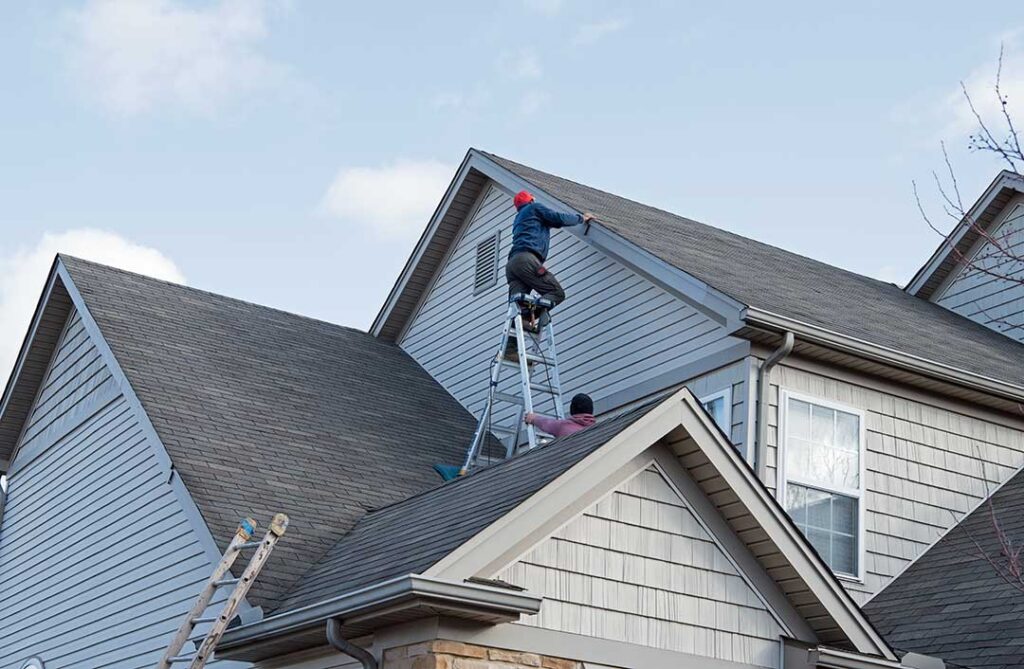
A professional roof inspection is a visual and practical evaluation of the roof system, not simply a quick look at shingles from the driveway. The process usually examines the roof covering, drainage, flashing, attic, interior ceilings, and areas where water or weather damage may develop.
For homeowners in DeWitt, NY, an inspection can be especially useful after winter weather, heavy rain, strong winds, or repeated freeze-thaw cycles. It can identify problems early, distinguish routine wear from urgent damage, and provide a clearer picture of the roof’s remaining serviceability.
What happens before the inspection begins?
The inspector usually starts by asking about the roof’s age, previous repairs, known leaks, storm exposure, and any changes noticed inside the home. Information about when a stain first appeared or whether a leak occurs only during wind-driven rain can help guide the inspection.
The roof may also be reviewed in relation to:
- The type of roofing material
- The approximate installation date
- Previous layers or roof replacements
- Recent storms or fallen branches
- Gutter or ice-dam concerns
- Attic ventilation or moisture problems
- Planned home improvements, such as insulation or solar equipment
A clear history does not replace a physical inspection, but it helps the inspector focus on areas that deserve closer attention.
Will the inspector walk on the roof?
Not always. Roof access depends on safety, pitch, height, surface condition, weather, and the possibility of damaging fragile materials.
A low-slope roof in dry conditions may be walked carefully. A steep, wet, icy, heavily moss-covered, or deteriorated roof may be inspected from the eaves, a ladder, the ground, or another safe vantage point. Binoculars, cameras, and drones may also be used when direct access is not appropriate.
This is not necessarily a sign of an incomplete inspection. A responsible inspector should not walk on a surface when doing so could create a fall hazard or damage the roof. The report should explain how the roof was observed and identify any areas that could not be accessed.
Snow and ice can also limit what can be seen. In winter, an inspection may be able to document visible conditions while postponing a closer review until the roof surface is clear and safe.
What parts of the roof are examined?
The roof covering is only one part of the system. A thorough inspection considers how several components work together to shed water and resist weather.
Typical areas include:
- Shingles, metal panels, slate, membranes, or other roof coverings
- Missing, cracked, curled, lifted, blistered, or slipping materials
- Valleys where two roof slopes meet
- Ridge caps and roof edges
- Flashing around chimneys, walls, skylights, and vents
- Plumbing vent openings and other penetrations
- Gutters, downspouts, and drainage outlets
- Eaves, soffits, and fascia
- Signs of sagging or uneven roof lines
- Debris, moss, algae, or accumulated organic material
In older homes, small changes around flashing and roof intersections may matter more than the overall appearance of the shingles. Water often enters at transitions, seams, penetrations, and drainage points rather than through the middle of an intact roof slope.
Why are gutters and drainage part of a roof inspection?
A roof can have relatively sound shingles and still experience water problems if drainage is poor. Gutters that are clogged, loose, undersized, or pitched incorrectly may allow water to spill against siding, trim, foundations, and lower roof edges.
The inspection may look for:
- Sagging or separated gutter sections
- Downspouts that discharge too close to the foundation
- Ice-related distortion
- Rust, holes, or open seams
- Heavy granule deposits
- Water stains below roof valleys or eaves
- Debris that traps moisture along roof edges
In DeWitt, seasonal leaves, snow, ice, and repeated thawing can place extra stress on drainage components. A roof inspection may therefore identify gutter or runoff concerns even when the primary roof covering is not yet due for replacement.
Is the attic inspected?
Often, yes. The attic can reveal evidence that is not visible from the roof surface.
The inspector may look for:
- Damp or stained roof sheathing
- Wet insulation
- Mold-like growth caused by persistent moisture
- Condensation around nails or fasteners
- Daylight visible through roof openings
- Damaged rafters or trusses
- Blocked soffit vents
- Inadequate or uneven ventilation
- Evidence of animals entering through roof gaps
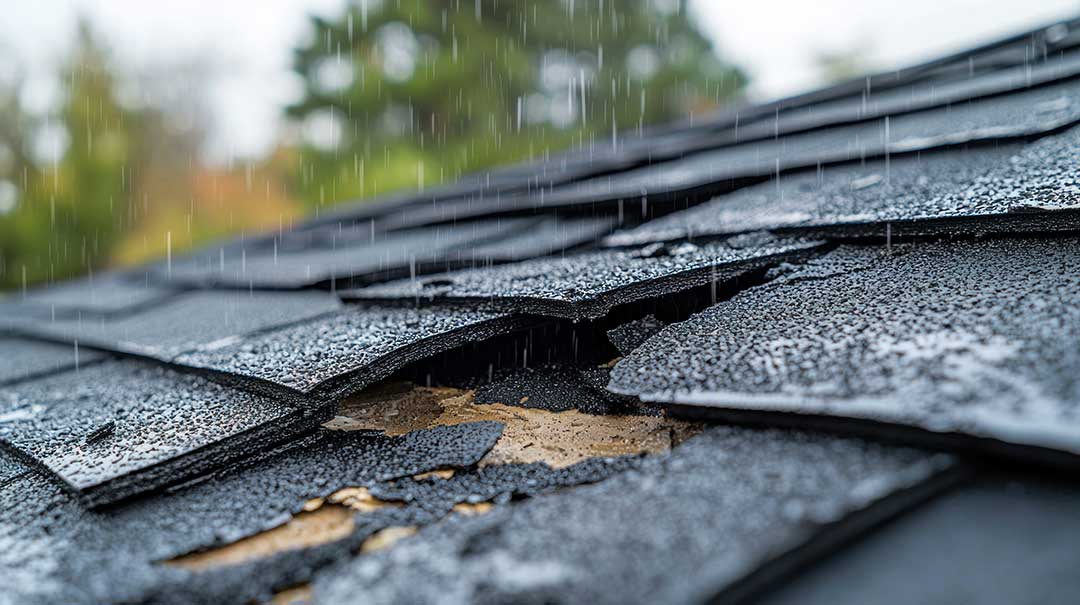
Attic findings require careful interpretation. A dark mark does not automatically prove an active leak. It may be old, caused by condensation, or related to a one-time event. Moisture readings, weather history, and the condition of nearby materials help determine whether the problem appears current.
What does the inspector look for inside the home?
Interior rooms beneath the roof are checked for clues. These may include ceiling stains, peeling paint, soft drywall, damp insulation around attic access openings, or musty odors.
The location of an interior stain does not always match the location of the roof defect. Water can travel along rafters, roof decking, insulation, and framing before appearing inside. For that reason, tracing a leak requires more than matching a ceiling mark to the roof area directly above it.
A stain may also come from plumbing, heating equipment, bathroom moisture, or an improperly vented appliance. The inspection should distinguish roof-related evidence from other possible sources rather than assuming every ceiling mark is a roofing failure.
What will the final report usually include?
A roof inspection report generally describes the observed condition, inspection method, visible deficiencies, inaccessible areas, and recommended next steps. Photographs are often useful because they show the location and nature of a concern.
Reports may classify findings as:
- Routine maintenance
- Minor repair
- Monitoring recommended
- Further evaluation needed
- Safety or water-intrusion concern
- Replacement planning issue
A report should not be treated as a guarantee of how many years a roof has left. Remaining life depends on material quality, installation, ventilation, weather exposure, maintenance, and concealed conditions. An inspection provides an informed assessment of visible evidence rather than certainty about every hidden component.
What is usually not included?
A standard visual inspection generally does not involve removing shingles, opening walls, dismantling flashing, or testing every fastener and layer beneath the roof covering. It may not determine the exact number of roofing layers unless that information is visible or documented.
An inspection also may not provide:
- A guarantee against future leaks
- A complete structural engineering analysis
- A laboratory test of suspected materials
- Confirmation of every storm-related damage claim
- A precise replacement cost
- A definitive diagnosis of concealed damage
If a report identifies suspected structural movement, extensive moisture, electrical concerns, or another condition outside the inspection’s scope, a separate evaluation by an appropriately qualified specialist may be necessary for safety and accurate diagnosis.
When is a roof inspection most useful?
An inspection is particularly useful after a significant storm, before buying or selling a home, after discovering an unexplained leak, or when a roof is approaching the later part of its expected service life.
It can also be helpful before winter if there are loose shingles, damaged flashing, blocked drainage, or attic moisture concerns. Addressing visible defects before snow and ice arrive may reduce the chance of water entering during freeze-thaw conditions.
Homeowners should avoid climbing onto the roof to investigate a problem. From the ground, useful observations include missing materials, sagging gutters, dark roof patches, loose flashing, and ceiling stains. These details can be recorded and shared during the inspection without creating an unnecessary fall risk.