

 See My Latest Article on HelloNation
How Does Weather Impact Roofs Throughout the Year?
Weather in DeWitt, NY brings four distinct seasons, and each one puts different stress on local roofing materials. With winters often long and snowy, warm, wet springs, humid summers, and brisk autumns, the range of weather your home experiences leads to specific challenges for roof durability and maintenance. Seasonal cycles of freezing, thawing, rain, heat, and wind each play a role in how well a roof holds up over time.
What Roof Problems Are Common After Winter?
Snow buildup, ice dams, and repeated freeze-thaw cycles are signature winter concerns. When heavy snow accumulates, it adds significant weight to the structure. Moisture from melting snow can refreeze at the roof edge, blocking proper drainage and causing ice dams. These dams force water under shingles, which can eventually leak into the attic or living space, especially on low-slope roofs.
Prolonged cold can also cause:
- Brittle shingles or tiles, leading to cracking and loss of flexibility
- Loosened flashing or gutters from expanding ice
- Hidden moisture infiltration where roof planes meet walls or chimneys
Residents sometimes underestimate how easily minor winter roof issues can compound if left unaddressed into the thaw.
How Do Spring and Summer Rains Affect Roofing Materials?
After the snow melts, spring brings strong rainstorms and gusty winds. Summer heat waves follow with the potential for high humidity. Persistent rain can expose even small weaknesses, such as missing shingle tabs or failed sealant around roof penetrations. Over time, repeated wetting dries cycles can deteriorate underlayment and encourage mold or mildew inside the roof structure.
Spring and summer may also bring:
- Wind-lifted shingles, especially if the original installation left edges exposed
- Granule loss from asphalt shingles, shortening their effective lifespan
- Gutter overflow or blockage, leading to pooling at eaves
Local households should note that while summer heat can cause roofing to expand, the real stress often comes from sudden temperature swings after a storm, which test the flexibility and watertightness of roof materials.
Are There Unexpected Weather Patterns That Impact Local Roofs?
DeWitt sometimes experiences late spring snow, early autumn frosts, and occasional hail or microburst storms. These events often catch residents off guard. Hail, in particular, can bruise shingles and create small punctures that aren't easily spotted from the ground.
With the region sometimes subject to lake-effect weather, localized heavy rains or wet snow can rapidly increase the load on a single side of a home, especially on older, single-story buildings. Homes surrounded by large trees face the added risk of branch debris accumulating or causing direct physical damage during wind events.
What Role Does Humidity Play in Roof Longevity?
Humidity is high much of the late spring through early autumn. While mold growth is a concern for attic spaces or poorly ventilated roofs, excess roof humidity can also:
- Accelerate wood rot in decking and framing along the eaves
- Encourage algae streaking and dark stains, particularly on north-facing slopes
- Reduce adhesive performance on certain underlayment or sealant products
Residents may not always recognize that what appears to be "normal aging" of a roof is sometimes the result of ongoing high moisture levels, especially if attic ventilation is insufficient.
How Should Residents Check for Weather-Related Roof Damage?
The changing seasons mean homeowners should look for roof changes after major weather events. No ladder is necessary for these basics:
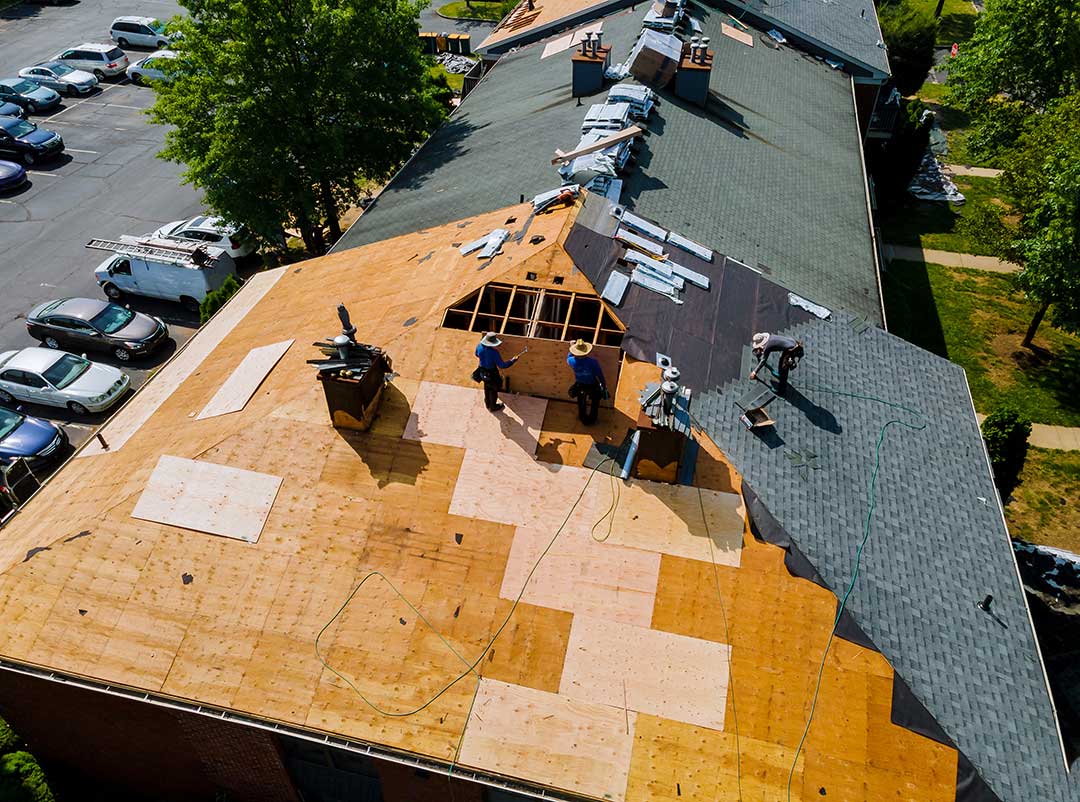
- Step back and scan for missing, curled, or darkened shingles
- Look for shingle granules in gutters after storms
- Check for water stains or dampness in top-floor ceilings or in the attic
- Watch for gutter blockage, both ice in winter and leaves in fall
While many common issues can be visually identified from the ground, some problems start small and worsen quietly—such as slow leaks hidden beneath insulation or flashing separations at the chimney. For suspected storm damage or persistent leaks, addressing safety and code compliance may require professional evaluation.
What Household Habits Help Roofs Last Longer in DeWitt?
Residents can lengthen roof service life by making a few upkeep habits part of their seasonal routine:
- Clear gutters and downspouts at least twice a year
- Trim overhanging branches to minimize debris and animal activity
- Monitor attic ventilation to reduce humidity buildup
- Check insulation levels to discourage ice dam formation
- Remove excess snow from low-pitch roof areas using roof rakes
Many local homes built decades ago may need extra attention to attic ventilation or gutter maintenance compared to newer construction.
Are Certain Roofing Materials Better Suited to Local Weather?
No single material is perfect for every home in the community. Asphalt shingles are common, but heavy winters test their flexibility, while metal roofing sheds snow efficiently but can be noisy during rain or hail. Proper installation—especially flashing and underlayment—can matter as much as the material itself for handling DeWitt's varied weather.
Moss-resistant or algae-resistant shingle options, as well as robust ice shield membranes along lower edges, can pay off in longevity. Residents should also be aware that local building codes often update minimum requirements for waterproofing and ice protection based on evolving climate patterns.
When caring for rooftops in the city, understanding how local conditions interact with construction style, slope, and maintenance is key to preventing weather-related issues before they start.