

 See My Latest Article on HelloNation
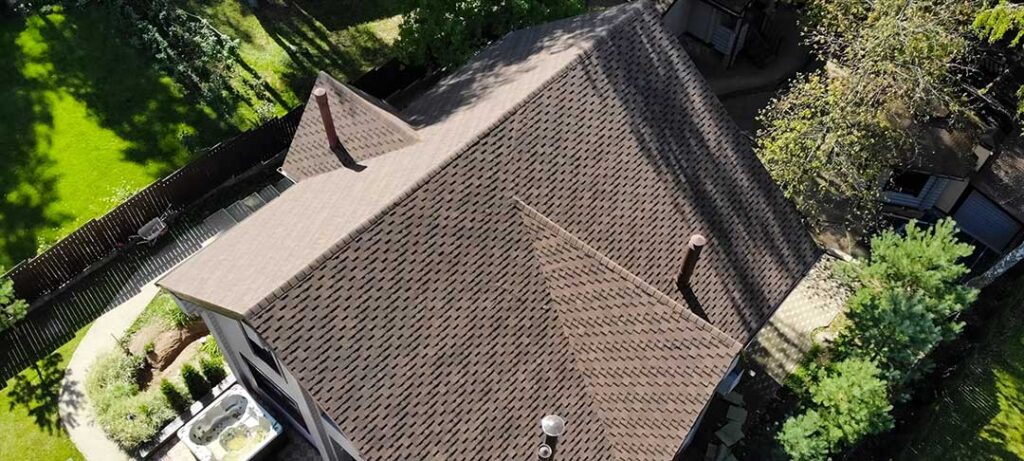
What Makes a Roof Start Leaking?
Leaks are typically caused by a combination of weather, time, and installation details. In neighborhoods across DeWitt, the mix of older homes, changing seasons, and fluctuating temperatures can expose roofs to specific risks that lead to water intruding where it shouldn't.
Are Damaged or Missing Shingles Really That Big of a Deal?
Yes—damaged, curled, or missing shingles are among the most common sources of leaks in the area. Shingles are the first line of defense against rain, and when they blow off in a windstorm or become brittle from freeze-thaw cycles, water can seep into the structure below.
Local examples include:
- Shingles loosened by high winds during spring or winter storms
- Granule loss from older roofs, leaving the material underneath exposed
- Improperly installed shingles that never sealed properly
Even a small section of missing shingles can allow rain to reach the underlayment and, eventually, drip into attics or walls.
How Can Flashing Failures Cause Water to Get Inside?
Flashing refers to metal strips used to seal roof joints, chimneys, vent pipes, or skylights. In DeWitt, flashing is frequently exposed to expansion and contraction as temperatures swing from hot summers to freezing winters. Over time, these changes can loosen nails, crack seals, or cause metal to rust, leaving an easy opening for water.
Examples of flashing trouble areas:
- Around chimneys, where thermal movement breaks the seal
- At valleys where two roof planes meet, and water flow is channeled directly
- Surrounding roof penetrations, where caulking can degrade or be knocked loose during heavy snow removal
Do Gutters and Downspouts Really Impact Roof Leaks?
Clogged or improperly installed gutters don’t just create mess— they force water to back up under roof edges or overflow down walls, which can lead to leaks far from the initial blockage. Local residents often overlook roof leaks that actually start with gutter issues, especially in fall when leaves quickly clog systems.
Issues to watch for:
- Ice dams forming at eaves when melted snow refreezes above clogged gutters
- Water stains at the edge of ceilings or in upper walls, often mistaken for plumbing issues
- Pools of water around the foundation, which can seep upward under shingles
Can Attic Ventilation and Insulation Contribute to Leaks?
Inadequate attic ventilation or poor insulation can encourage condensation to form on the underside of the roof deck. This is a common, sometimes overlooked cause—especially during the coldest months in DeWitt when warm indoor air meets the frigid surface of an under-insulated roof.
Key issues include:
- Damp attic insulation or mold forming on wood beams
- Dripping around nails protruding through the roof deck
- Unusual moisture appearing despite the roof exterior looking intact
Homeowners sometimes misinterpret these as roof leaks rather than condensation problems.
Are Skylights and Roof Windows Prone to Leaks?
Skylights can be particularly susceptible if they weren’t installed with flashing that accounts for local snow loads and rain intensity. Even with the best materials, skylight seals can dry out or crack in the region’s climate, leading to slow, unexpected leaks, often around the interior trim.
Common warning signs:
- Discoloration on ceilings or walls below the skylight
- Condensation trapped between skylight panes
- Dripping after rain or snow melt, even with a closed window
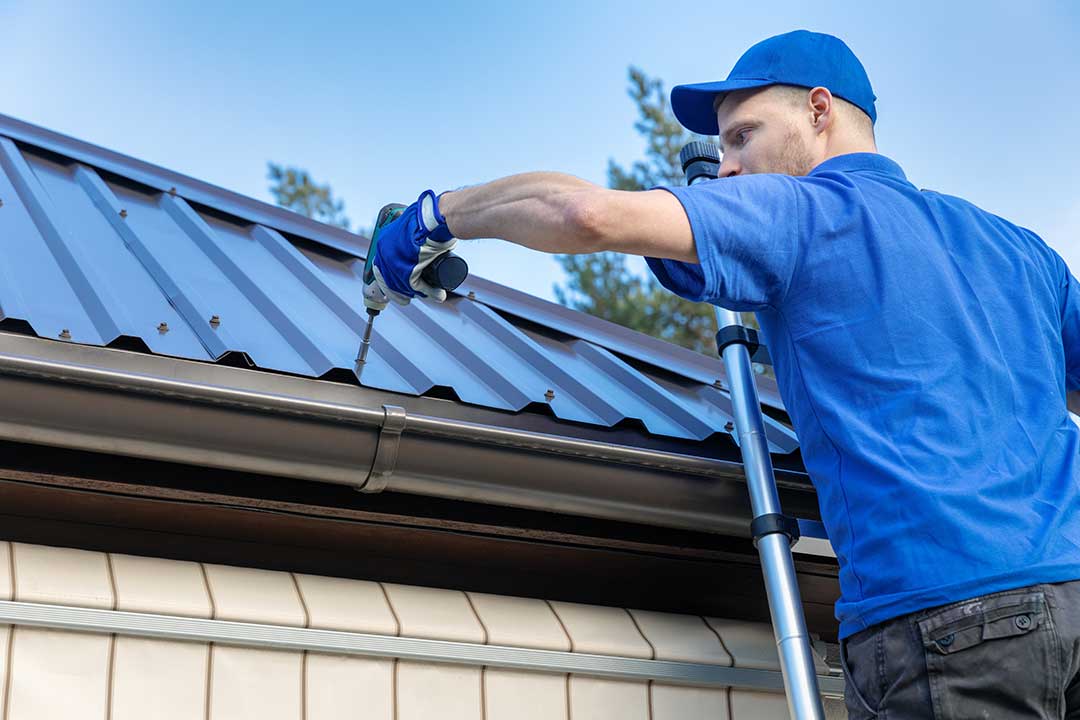
How Does Age Affect Roof Integrity?
Older roofs naturally degrade, and in DeWitt, where many homes are decades old, age is one of the leading root causes of leaks. Asphalt shingle roofs over 20 years old, or those installed without modern underlayments, tend to become especially vulnerable.
What changes with age:
- Shingle edges curl and lose flexibility
- Flashing corrodes or pulls away
- Small early leaks may go unnoticed until water damage is visible inside
Routine checks are critical, particularly after storms or heavy snow.
Is Poor Installation Still a Common Source of Leaks?
Yes, especially where additions have been made or repairs occurred over the years. Even high-quality materials can fail if not installed correctly—local homes with multiple layers of older roofing, or DIY fixes, may hide critical weak spots.
Common installation-related issues:
- Incorrectly sealed flashing or missed nails
- Misaligned shingles leaving gaps
- Rushed patchwork repairs following a storm
Spotting these problems early can save significant trouble down the road.
Can Roof Leaks Start in Places Other Than the Roof Itself?
Sometimes, what appears to be a roof leak actually comes from nearby sources. Leaks may originate from vents, attic fans, or poorly sealed wall intersections. Water can also travel along rafters from the original entry point, making it difficult to locate the true cause without a thorough inspection.
Practical examples:
- Water streaks running several feet from a roof penetration
- Stains appearing well away from exterior walls
- Tracing leaks to a spot where a vent or pipe passes through the roof
Proper diagnosis ensures the issue is fixed correctly the first time.