

 See My Latest Article on HelloNation
What Are the Risks of Cleaning a Roof in DeWitt, NY?
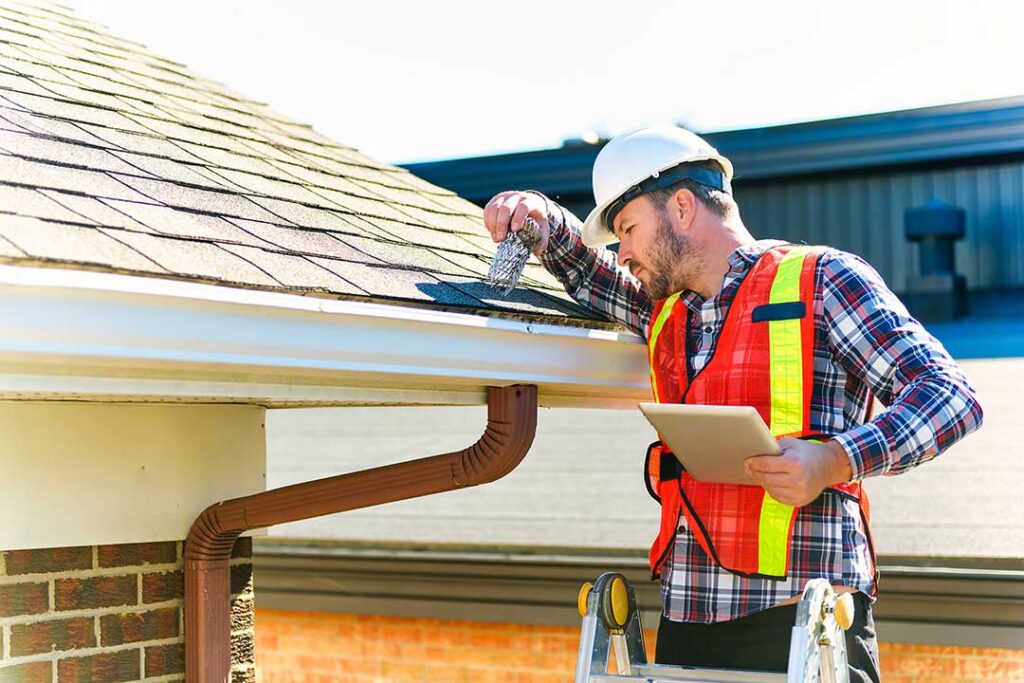
Cleaning a roof can seem like a straightforward task, but it carries real risks, especially in the varied weather conditions found in DeWitt, NY. Roofs are often steep, slippery, and high off the ground, making falls a leading concern. Wet or moss-covered shingles become slick, and loose granules on asphalt roofs make footing unstable.
In addition to falls, roof cleaning sometimes involves harsh chemicals or pressure washers, which can damage roofing materials or harm nearby plants and surfaces. Taking a cautious, knowledge-driven approach minimizes these hazards and helps maintain the roof’s longevity in the region’s seasonal climate.
What Tools and Materials Are Needed for Safe Roof Cleaning?
Start by gathering proper tools and materials before heading up. Essentials include:
- Sturdy, slip-resistant ladder tall enough to reach the roof safely
- Soft-bristle brush or broom (never wire or metal brushes, which damage shingles)
- Garden hose with a spray nozzle
- Non-corrosive, non-bleach cleaning solution meant for roofs
- Rubber-soled shoes with tread for traction
- Safety harness or fall-arrest system, if accessible
- Protective gloves and eye protection
- Plastic sheeting or tarps to protect landscaping and gutters
Residents often underestimate how slick moss, lichen, or decomposing leaves can be. In DeWitt’s leafy neighborhoods, roofs shaded by mature trees may require more frequent clearing of organic debris and moss growth.
Does DeWitt’s Climate Impact How and When You Should Clean a Roof?
Timing and local climate matter. DeWitt experiences cold, snowy winters and mild, often damp spring and fall seasons. Ice dams, moss, and algae thrive in shady, moist environments. Avoid cleaning a roof when it’s icy, after recent rain, or during the winter—wet surfaces become dangerously slick, and cleaning chemicals are less effective in cold weather.
The ideal window for roof cleaning is late spring through early fall, on a dry, overcast day. Sun can cause cleaning solutions to evaporate too quickly, leaving residues behind.
How Can You Remove Moss, Algae, or Stains Without Damaging the Roof?
A gentle approach protects shingles and extends roof life. Start by removing loose debris—twigs, leaves, and branches—with a soft brush or broom. For moss and algae:
- Mix a roof-safe cleaning solution (following any product guidelines for dilution)
- Apply to affected areas with a pump sprayer or hose attachment, letting it sit per instructions
- Use a soft broom to lightly agitate thick moss, working downward with the shingle grain
- Rinse thoroughly with a garden hose (never a pressure washer on asphalt shingles)
- Watch for runoff, as some cleaning solutions can harm lawn or garden plants
Bleach-based cleaners are sometimes used, but overuse can shorten shingle life and cause accidental runoff damage. Local residents often see black streaks caused by algae known as Gloeocapsa magma, common in the Northeast. These are largely cosmetic but can signal trapped moisture—removal is best done gently, avoiding abrasives or high pressure.
What Are the Best Safety Precautions for Roof Cleaning at Home?
Roof cleaning remains one of the more hazardous DIY home tasks. Fall protection is especially important in the community, where two-story homes and older roof designs add to ladder height and pitch dangers.
- Use a helper to stabilize the ladder and pass up tools
- Work from a roof harness if possible, tethered to a secure anchor point
- Clean only in dry conditions, with grippy shoes and careful footing
- Avoid reaching or leaning while on the ladder—move the ladder instead
- Never use gas-powered or electric pressure washers directly on shingles
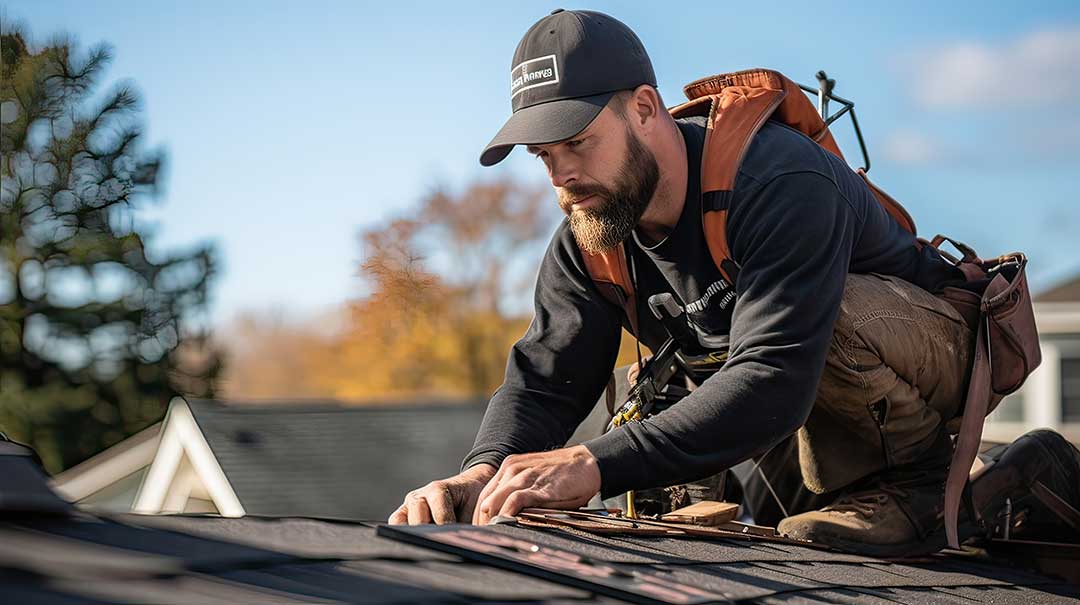
If unsure about the roof’s condition or personal safety, it’s wise to reconsider tackling the job yourself. In cases where mold, structural damage, or significant roof height is involved, additional expertise may be needed to prevent accidents or further harm.
Should Gutters Be Cleaned at the Same Time, and How Do They Affect Roof Health?
Gutters collect rainwater and channel it away from your home’s foundation. Debris-filled gutters cause water backup, leading to roof leaks, ice damming, and shingle damage—especially after DeWitt’s fall leaf drop and spring thaw.
Plan to clear gutters just before or after roof cleaning. Use a gutter scoop or gloved hands to remove debris, then flush with a hose. Make sure downspouts direct water several feet from the house. Regular gutter checks help prevent roof deterioration and attic leaks.
What Local Factors Make Roof Cleaning Unique for Area Residents?
Several local conditions shape roof cleaning needs:
- Mature trees increase leaf and seed accumulation on roofs and in gutters
- Northern-facing and shaded areas promote moss growth
- Seasonal pollen can cause stubborn yellow stains in spring
- Wind-driven rain and snow drift cause uneven moisture patterns, encouraging algae in certain roof valleys
Proactively clearing branches overhanging the roof reduces organic buildup and the need for more intense cleaning. Area residents also often deal with lingering snow and ice, making spring the time for most thorough roof and gutter maintenance.
Are There Common Misconceptions About DIY Roof Cleaning?
Many people believe using the strongest chemicals or most aggressive cleaning methods will speed up the process or produce the “cleanest” result. In reality, harsh treatments often strip protective granules and shorten the roof’s lifespan. Another misconception is that roof cleaning is a purely aesthetic job; in a climate with long snow cover and rich foliage, cleaning plays a key role in preventing premature roof decay and indoor leaks.
Consistent, gentle maintenance will preserve both roof appearance and function in the local environment.